Family Reunion Meal Planning: A Simple System for Any Crowd
Plan family reunion meals without a kitchen meltdown: portions per person, potluck sign-ups, dietary needs, food safety and a Vail group-stay meal plan.

Family Reunion Meal Planning: A Simple System for Any Crowd
The easiest way to plan reunion meals is to decide who cooks, size the food from your RSVP count, and build the menu around dishes that scale. Make most of it ahead and give every household one job. Then keep the food safe from the first cooler to the last leftover. This guide walks through each step, with portions, potluck rules, dietary tips and a plan for groups sharing a mountain rental.
TL;DR
- Pick your model first: home-cooked, catered, or a mix. Ask the family which they prefer before you plan anything else.
- Budget about one pound of food per adult and half a pound per child, with 6 to 8 ounces of protein per person.
- Assign specific slots (“main dish, serves 12”) with a name next to each, not vague categories.
- Build-your-own meals such as taco bars handle dietary needs with the least stress for the cook.
- Keep cold food at 40°F or below and hot food at 140°F or above, and never leave perishables out more than 2 hours.
Table of Contents
- Start with the meal model, not the menu
- How much food to plan per person
- Choose a menu that scales
- Run the potluck like a project
- Plan for dietary needs without cooking five menus
- Keep it safe: cold, hot and the 2-hour rule
- Meal planning when everyone shares one rental
- Where we fit in: the Iconic Vail Dome
- Our perspective on feeding a big group
- Pulling it together: a planning timeline
- FAQ
- Sources
Start with the meal model, not the menu
Before anyone suggests a recipe, settle how the food will arrive. Shane Jackson, assistant executive chef at a catering company in Estes Park, Colorado, told AARP that big events can revolve around home-cooked dishes, catered food, or a mix of both, and that deciding which your guests prefer is a good place to start.
Three models cover most reunions:
- Full potluck. Every household brings a dish. Cheapest, most personal, hardest to balance.
- Assigned meals. Each family owns one dinner or lunch for the whole group, and breakfast stays up to individual households. One long-time reunion cook describes this as the system that works for 50+ people.
- Hybrid. One catered or bulk-cooked main, with family-made sides and desserts. Good when the group is large and arrival times are staggered.
For a multi-day stay, assigned meals usually win. Nobody cooks more than once, and everyone eats something that tastes like home.
How much food to plan per person
Guessing leads to either a mountain of leftovers or a run on the pantry. Use numbers instead.
Southern Living, in a guide updated in April 2026, gives the rule most caterers and party planners use: one pound of food per adult and half a pound per child. It breaks that down to 6 to 8 ounces of protein per person for the main dish and about 8 ounces of sides, roughly three-quarters of a cup per person for each dish.
A reunion-specific guide from Reunly suggests padding the protein: 8 to 10 ounces of cooked protein with a 15% buffer, plus 4 ounces of each side, one to two dinner rolls, 3 to 4 ounces of green salad, 1.5 portions of dessert and 12 to 16 ounces of lemonade or iced tea per person for a standard outdoor reunion.

A worked example for 18 people
Say you have 12 adults and 6 children for one dinner.
- Food overall: 12 lb for adults plus 3 lb for children, so about 15 lb.
- Protein: 12 adults at 6 to 8 oz is 4.5 to 6 lb of cooked meat. Add the kids’ smaller portions and a buffer, and plan on 6 to 7 lb cooked.
- Sides: two or three dishes, each about 3/4 cup per person, so roughly 13 cups per dish.
- Drinks and dessert: one dessert and a pitcher or two of something cold.
Remember that raw meat loses weight in cooking, so buy more raw than your cooked target. Size everything from the people who actually RSVP, not the invitation list.
Choose a menu that scales
The best reunion dishes get bigger without getting harder. AARP’s list of 27 dishes for large crowds includes brisket, chicken enchiladas, chili with a taco bar, macaw and cheese, potato salad and Texas sheet cake. Pastas, curries, big pots of soup and taco bars show up again and again in veteran reunion cooks’ advice because they stretch easily.
A few guidelines when choosing:
- Pick one hands-on main per meal. Everything else should be a make-ahead side or a salad.
- Favor build-your-own formats. America’s Test Kitchen notes that build-it-yourself meals offer the most flexibility for diners and the least stress for the cook, because people choose what works for them.
- Think in a day-by-day arc. A hearty arrival-night pasta, a taco or baked-potato bar midweek, a grill night, and a lazy brunch for the last morning.
- Keep breakfast and lunch simple. Sandwich and salad spreads, fruit, and leftovers beat a second full cooking session.
If some of the food will be cooked at home before you travel, slow-cooked mains such as pulled pork, spaghetti sauce and lasagna soup can be made ahead and frozen. One vacation-cooking writer suggests freezing a sauce at home and letting it thaw in a cooler on the drive. Keep that cooler cold, using the rules below.
Run the potluck like a project
A loose “bring something” email produces nine desserts and no forks. A shared sign-up list fixes that.
Set the slots before you open the list
Grove Reunions advises building the board with specific slots, such as “Main dish, serves 12”, before opening it to the family. Limit each household to one claim at first, and require a name next to each dish so a claim is a promise.
For how many dishes you need, SignUpGenius suggests one main per 8 to 10 guests, one side or salad per 6 to 8 guests, and one dessert per 10 to 12 guests. It also notes that specific slot titles fill faster than vague categories, and that a reminder three to four days before the event gives people time to shop.
For 18 guests at one dinner, that works out to about two mains, three sides or salads, and two desserts. Add one person each for bread, drinks and ice.
Name one food lead
A shared list works best when one person reviews it. GatherKin suggests tracking categories, serving estimates, dietary notes, supplies and owners in one place, with a single food lead checking it. That person does not cook everything. They make sure nothing falls through.
If your family is large and has several branches, you can also assign categories by branch. One planning guide suggests giving one side of the family mains, another sides, another desserts, which prevents duplicates and keeps variety.
Plan for dietary needs without cooking five menus
You do not need a parallel menu for every restriction. Registered dietitian Baker at Purdue recommends “shared decision making”: ask family members ahead of time what their favorite dishes are and what matters most to them. Purdue’s dietitians also suggest making most dishes vegan and gluten-free and pointing out the few that are not, labeling restricted dishes, using separate serving utensils, and placing guests with restrictions at the front of the buffet line.
For food allergies, Clemson’s Home & Garden Information Center advises asking food-allergy family members first what they would like to bring so they can bring their safe dishes, then letting everyone else pick from what is left. It also recommends ingredient note cards, a separate utensil for each dish and sauces and dressings served separately.
If a guest has a serious allergy, ask them or their doctor what is safe and follow that. A sign-up list with a column for allergens makes this routine instead of awkward.
Keep it safe: cold, hot and the 2-hour rule
A reunion buffet is exactly the situation food safety guidance was written for. The core rule from USDA: bacteria that cause foodborne illness grow between 40°F and 140°F, the Danger Zone. Keep hot foods hot and cold foods cold when they will be out more than two hours, or one hour above 90°F.
Put that into practice:
- Cold food: the FDA says to keep cold perishables at 40°F or below until serving. Pack coolers with ice, gel packs or frozen water bottles, and keep an appliance thermometer inside.
- Two coolers: the FDA suggests putting drinks in one cooler and perishable food in another, so opening the drink cooler does not expose the food to warm air.
- Hot food: keep it at 140°F or above.
- Make-ahead dishes: USDA’s guide for group cooking says foods cooked ahead and cooled should be reheated to at least 165°F, and that reheating in slow cookers, steam tables or chafing dishes is not recommended because food can sit too long in the Danger Zone. Reheat on a stove or in an oven, then move it to a warming vessel to hold.
- Leftovers: refrigerate or freeze prepared foods within 2 hours, or 1 hour when it is above 90°F, per the same guide.
- Meat temperatures: USDA’s safe minimums are 145°F for steaks, chops and roasts, 160°F for ground beef, pork, lamb and veal, and 165°F for poultry. A probe thermometer is the only reliable check.
Meal planning when everyone shares one rental
A shared house changes the plan in useful ways: one fridge zone, one set of counters, and everyone at the same table. A few habits help.
Give each household a night. One travel writer recommends a sign-up form so every family takes one night of cooking, with dietary restrictions noted in advance. Another planner describes a family of 27 that also signed up for kitchen clean-up, so nobody got stuck with every sink full of dishes.
Let the cook off the hook. If one adult cooks, the partner handles the kids. Pair the teenagers and cousins with the cook as helpers, so the kitchen becomes part of the fun instead of a chore.
Write a gear list. Before you travel, list what your menu needs: big pots, sheet pans, a probe thermometer, serving spoons, labels. Share it with the group so you pack it once, not six times.
Stock the first night’s essentials. Plan arrival night around something that needs no cooking or almost none, so tired travelers eat quickly and nobody needs a grocery run first.
A sample three-night plan
| Night | Owner | Meal | Why it works |
|---|---|---|---|
| Arrival | Food lead | Pasta with a make-ahead sauce, salad, bread | Sauce is made and frozen at home, so reheating takes minutes |
| Night 2 | Household A | Taco or chili bar | Everyone builds their own plate, which suits different diets |
| Night 3 | Household B | Grill night with sides | Sides are made ahead, the main cooks fast |
| Last morning | Everyone | Brunch from leftovers and fruit | Clears the fridge before checkout |
Where we fit in: the Iconic Vail Dome
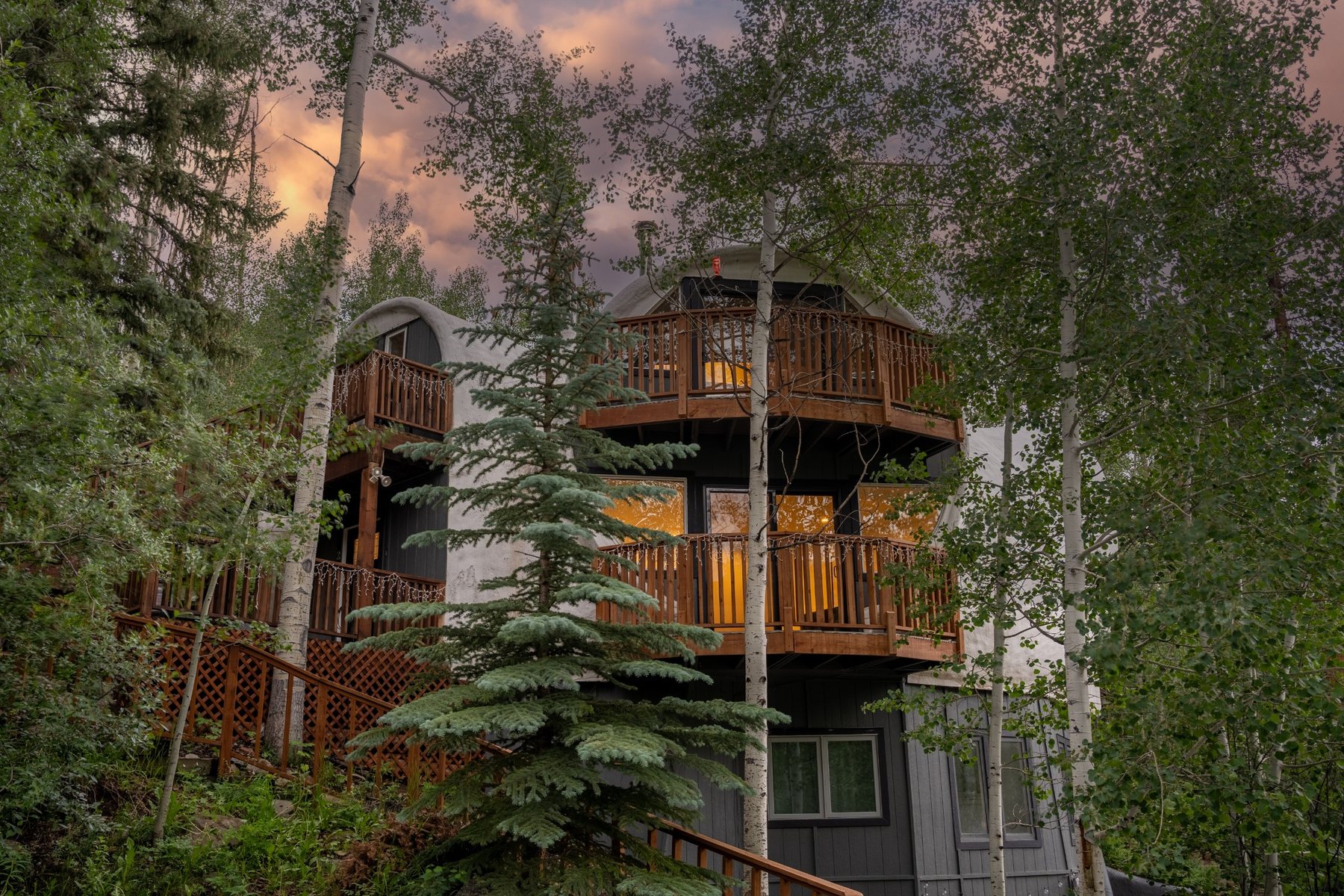
If your reunion is in the Rockies, a place that holds the whole family around one table makes meal planning simpler. The Iconic Vail Dome in West Vail is two separate units in one building. You can book one or the entire property for up to 18 guests, which suits a group that wants to eat together and still have its own space.

The building has one shared hot tub, which is a good place to end a long day on the slopes or after a big dinner. Each unit includes one complimentary parking pass for the Vail Village and Lionshead parking structures, and an Entire Dome booking includes two. That helps when you are running between the grocery store and town.
See our large group vacation rental page for how the setup works for bigger parties. If you are traveling with a four-legged family member, take a look at our pet-friendly stay in Vail details. You can also book a single unit, such as Unit 2, if your group is smaller.

Book direct at iconicvaildome.com and tell us about your group. We can help you work out which option fits.
Our perspective on feeding a big group
We think the best reunion meals are the ones that keep people together. A big group does not need a complicated menu. It needs a plan that gives everyone a role and lets the cook sit down too.
That is why we like shared-table meals: a pasta night, a taco bar, a brunch where cousins make the pancakes. Those meals turn cooking into part of the trip rather than a task standing between you and the mountains.
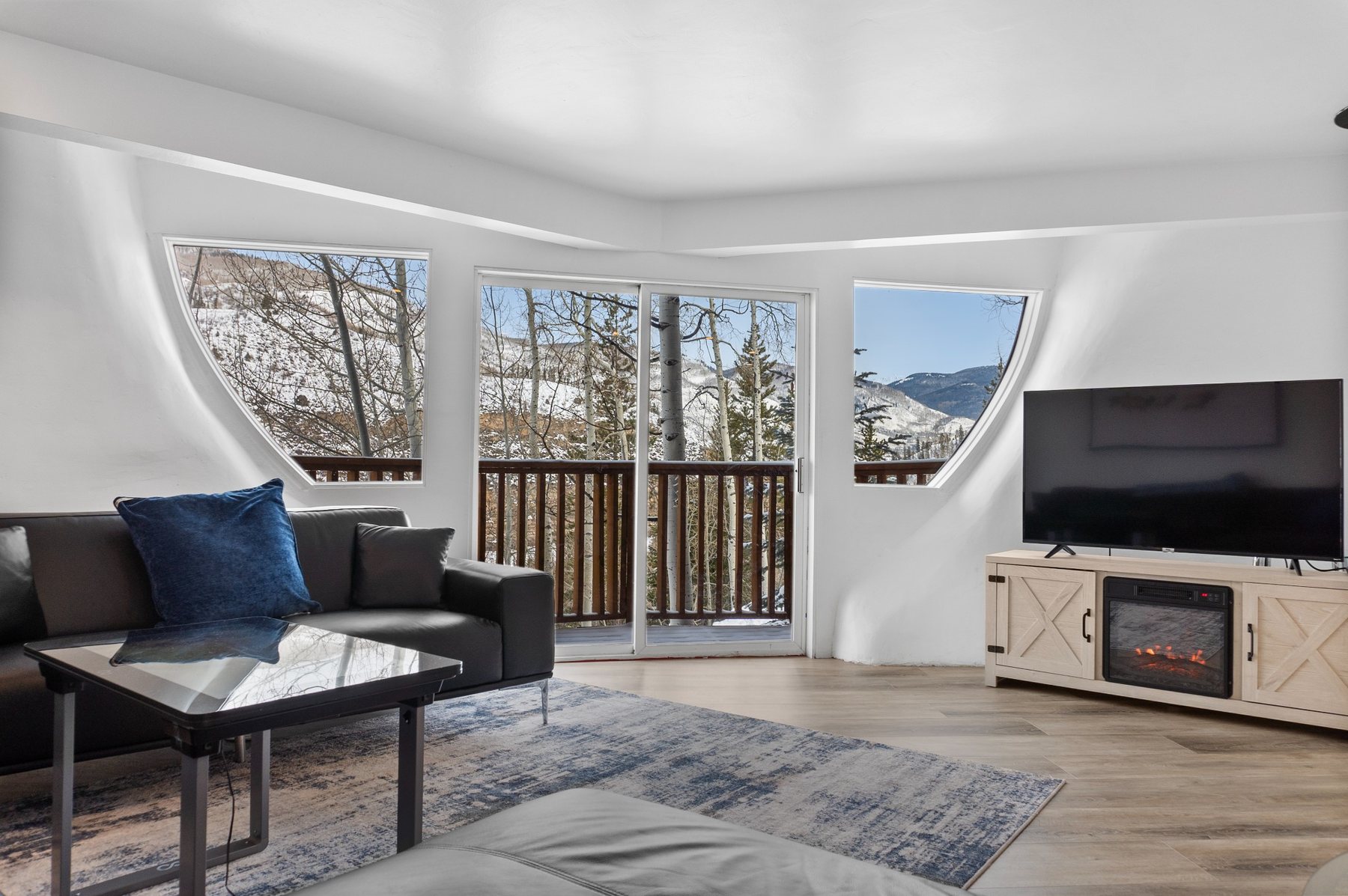
Our property is designed for groups. Two separate units in one building, spacious decks with mountain and aspen views, a shared hot tub, and room for up to 18 guests when you book the entire Dome. Families who book with us tend to come for the setting and stay for the time together.
Our advice: pick a food lead, hand out the nights early, and keep every plan flexible enough that a snowy afternoon or a late flight does not break it.
Pulling it together: a planning timeline
- Eight weeks out: choose the meal model and name a food lead. Survey dietary needs and favorite dishes.
- Four weeks out: open the sign-up list with specific slots. Cap claims at one per household.
- One week out: confirm the headcount, adjust the quantities, send the gear list, and freeze make-ahead dishes.
- Three to four days out: send the reminder, as SignUpGenius suggests, so people have time to shop.
- Travel day: pack drinks and perishables in separate coolers with ice and a thermometer.
- On site: reheat to 165°F, serve in small batches, and refrigerate leftovers within two hours.
FAQ
How much food do I need for a family reunion?
A common planner’s rule is one pound of food per adult and half a pound per child. Within that, plan 6 to 8 ounces of protein and about 8 ounces of sides per person. Size the plan from your RSVP count, then add a small buffer for the main dish.
What are the easiest family reunion foods for a crowd?
Dishes that scale and hold well: pulled pork, chili with a taco bar, pasta with a make-ahead sauce, baked mac and cheese, potato salad and sheet cakes. Build-your-own bars also let guests with different diets make their own plates.
How do I stop everyone from bringing the same dish?
Use a shared sign-up list with specific slots, such as “main dish, serves 12”, and a name next to each. Limiting each household to one claim at first, or assigning a category to each family branch, keeps the table balanced.
Can I reheat make-ahead food in a slow cooker?
USDA’s group cooking guidance does not recommend reheating in slow cookers, steam tables or chafing dishes, because food can stay in the Danger Zone too long. Reheat to at least 165°F on a stove or in an oven, then keep it hot at 140°F or above.
Sources
- 27 Potluck or Catered Dishes to Feed Large Crowds (AARP)
- How Much Food To Make Based On Your Party Size (Southern Living)
- Family Reunion Food Quantities (Reunly)
- Cooking for Groups: A Volunteer’s Guide to Food Safety (USDA FSIS)
- Handling Food Safely While Eating Outdoors (FDA)
- USDA food safety recommendations for your potluck
- USDA FSIS safe minimum temperatures bulletin
- How to Plan a Potluck (SignUpGenius)
- Reunion Potluck Planning (Grove Reunions)
- Family Reunion Potluck Sign-Up Sheet Template (GatherKin)
- Family Reunion Planning Guide (SignUpReady)
- Purdue Nutrition Science experts on meals for guests with dietary restrictions
- Supporting Food Allergy Families at Cookouts and Events (Clemson HGIC)
- How to Cook for a Crowd with Different Dietary Requirements (America’s Test Kitchen)
- Family Reunion Food Ideas: 20 Years of Feeding a Crowd (71toes)
- How to Plan Food for a Large Crowd (Jamie Cooks It Up)
- What to cook at a vacation house
- 40 Easy Meals for Large Groups on Vacation (Don’t Just Fly)
- Cheap Meals to Feed a Crowd (Money Saving Mom)