What to Wear in Vail in Winter: A Layer-by-Layer Guide
What to wear in Vail in winter: how to layer for the slopes, what works for town, dinner and après-ski, and a packing list for the whole trip.

What to Wear in Vail in Winter: A Layer-by-Layer Guide
Dress in thin layers you can add or remove: a non-cotton base layer, a light insulating mid-layer, and a waterproof, breathable outer layer. Add warm waterproof boots, gloves, a hat or gaiter, and sun protection. Off the mountain, Vail is relaxed. Sweaters, a puffer, jeans or casual pants and good boots will get you into almost any restaurant. Below is the full breakdown for ski days, evenings in the village and the hours in between.
TL;DR
- Layer in three steps: a moisture-wicking base (no cotton), a thin insulating mid-layer, and a waterproof, breathable shell or jacket.
- Choose thin wool ski socks, waterproof insulated gloves or mittens, goggles, a helmet and a neck gaiter or balaclava for the slopes.
- Pack sun protection even in deep winter: the sun is stronger at altitude and snow reflects it back at you.
- Evenings are “mountain casual.” Pack one or two nice sweaters and a pair of warm, waterproof boots instead of heels or formalwear.
- Bring fewer, smaller shoe options: warm boots for walking and something comfortable for after ski boots come off.
Table of Contents
- Why layering matters more than one big coat
- The on-mountain layering system, piece by piece
- A quick guide to dressing by conditions
- Protecting your skin and eyes at altitude
- What to wear around town
- Après-ski, dinner and nightlife
- A winter packing list for Vail
- Our perspective: dress for the whole day, not just the slopes
- Dressing the whole group: families, kids and pets
- Where to stay so you can pack lighter
- Common packing mistakes to avoid
- FAQ
- Sources
Why layering matters more than one big coat
A Vail day rarely stays one temperature. You can start on a cold, shaded morning, stand on a windy ridge by late morning, then be warm in full sun on a south-facing run by lunch. Then the light drops and the cold comes straight back. One heavy coat can’t handle that range. Several thin pieces can.
The approach that ski professionals describe is simple. Discover Vail’s skiing guide recommends non-cotton base layers, a thin insulating mid-layer, and a waterproof jacket and pants. It adds gloves, a neck gaiter or balaclava, goggles and thin wool socks. Cotton holds moisture against your skin, which is why it is the one fabric to leave at home for time on the mountain.

The other idea worth remembering is that warmth and weather protection come from different pieces. Insulation belongs in the middle. The outer layer’s job is to block wind and snow while letting sweat escape. When you split the jobs this way, you can shed a layer without losing protection.
The on-mountain layering system, piece by piece
Base layer
This is the layer against your skin, and its job is to move sweat away. Merino wool and synthetic fabrics both do that. Choose a snug fit in a lightweight or midweight knit. Go heavier only if you run cold or expect a very cold morning. Skip cotton T-shirts and cotton leggings completely.
Pack two sets so one can dry while you wear the other.
Mid-layer
This is your insulation. A lightweight fleece, a thin down or synthetic puffy vest, or a thin wool sweater all work. Choose something thin enough to take off and stash in a locker, a backpack or a base-area cubby when the sun comes out.
Travel + Leisure reports that resort experts warn against bulky sweaters on the slopes, because they make layering and movement harder. Save the chunky knit for the evening.
Outer layer
Your jacket and pants should be waterproof and breathable. Here you have two basic choices:
- A shell gives you the most control, because you decide how much goes underneath. It suits changeable conditions and active skiers who run warm.
- A lightly insulated jacket adds warmth without much bulk. It suits cold-weather skiers and anyone who spends long stretches on chairlifts.
For pants, a non-insulated shell pair is the more versatile pick, since you can add or subtract thermal layers underneath. Look for vents you can open when you start working hard.
Socks
It feels logical to wear thick socks in cold weather. In a ski boot, though, Discover Vail recommends thin wool ski socks because they help warmth and circulation. Thick socks can squeeze your foot and make it colder. One good pair per ski day is enough, plus a spare in your bag.
Hands, head and face
- Insulated, waterproof gloves or mittens (mittens are warmer; gloves give more dexterity)
- A helmet, which you can rent if you are not bringing your own
- Goggles for flat light and snow, and sunglasses for lunch on the deck
- A neck gaiter or balaclava for wind on the lift
- Hand warmers for the coldest mornings
If you do not own ski gear, Vail has rental shops for skis, snowboards and boots, so you don’t have to pack equipment. Clothing is the part you bring yourself.
A quick guide to dressing by conditions
In practice, you adjust the system to the day. This table gives a starting point, and you can tune it to your own comfort.
| Conditions | Base layer | Mid-layer | Outer layer | Extras |
|---|---|---|---|---|
| Very cold, early-season mornings | Midweight or heavyweight merino | Warm fleece or light down | Insulated jacket and pants | Balaclava, hand warmers, mittens |
| Classic cold, sunny powder days | Lightweight or midweight wicking layer | Thin fleece or vest | Waterproof shell | Neck gaiter, goggles, sunscreen |
| Warm, bright spring days | Lightweight wicking layer | Optional, kept in your bag | Lighter shell or lightly insulated jacket | Vents open, sunscreen, sunglasses |
For warmer spring days, Discover Vail’s seasonal guide points to lighter spring shells or lightly insulated jackets while keeping moisture-wicking base layers. The principle holds all winter: lower the insulation when it warms up, but never give up the layer that blocks wind and wet.
Protecting your skin and eyes at altitude
This is the part many first-time visitors underpack. Vail’s elevation means more UV, and snow bounces it back. According to Vail Health’s Dr. Alex Menter, a medical oncologist at the Shaw Cancer Center, UV radiation at 9,000 feet can be nearly twice as intense as at sea level. He adds that snow and ice can reflect up to 85% of UV rays, so exposure comes from above and below.
His recommendations are practical enough to pack against:
- Broad-spectrum sunscreen of SPF 30 or higher, reapplied every two hours
- Wide-brim hats when you are off the slopes
- UV-blocking sunglasses or goggles
- UPF-rated clothing
Put lip balm with SPF in your jacket pocket, not your luggage. Cloudy days still count, and so does the underside of your chin and nose. If you have a specific skin condition or a history of skin cancer, ask your own dermatologist what to use before you travel.
What to wear around town
Most visitors spend as many hours in the village as on the mountain: walking to dinner, shopping, riding the free in-town buses, standing outside at a firepit. A town outfit has different priorities. It needs to be warm and dry but not technical.
For town, Discover Vail recommends a puffer or rain jacket, sweaters, a vest, casual pants, a hat or ear warmers, a scarf, gloves, and waterproof boots with socks. That is a good template. A few notes on making it work:
- Footwear is the biggest comfort lever. Snow, slush and salted sidewalks are normal. Choose boots with grip and a waterproof upper, and wear them with warm socks.
- Bring a second pair of shoes, not five. Travel + Leisure quotes a Vail Mountain Ski & Snowboard School training manager, Francis Do, advising smaller, functional footwear choices: warm boots for walking, plus something comfortable for after ski boots.
- Dress in layers indoors too. Shops and restaurants are warm. A thin sweater under a puffer lets you adjust.
- Keep your ski jacket and your town jacket separate if you can. A clean puffer feels better at dinner than a jacket that has spent six hours on a chairlift.
Après-ski, dinner and nightlife
Vail has plenty of upscale dining, but the dress code stays relaxed. The usual shorthand is “mountain casual.” Think a good sweater, dark jeans or casual pants, and boots you can walk in.
A few specifics help:
- Fine-dining rooms tend toward resort casual. OpenTable’s listing for The Remedy at Four Seasons Vail describes the dress code as resort casual and says ski boots are not allowed. Change out of ski boots as soon as you come off the hill.
- For outdoor events, Taste of Vail’s FAQ recommends mountain-casual attire, layers and sturdy footwear, noting that mountain temperatures can vary.
- Heels and formal dresses are optional. If you want one dressy evening, pack a nicer sweater or blouse and a pair of dark pants, then add a coat and warm boots for the walk. Few people will expect more.
If you are headed to a late dinner, bring a hat and gloves anyway. Temperatures drop quickly once the sun goes down, and the walk back through the village can feel colder than the afternoon.
A winter packing list for Vail
Use this as a checklist, and trim it to your trip length. Anything marked with an asterisk can be rented or bought locally.
On the mountain
- 2 base-layer tops and 2 bottoms (merino or synthetic)
- 1 or 2 thin mid-layers (fleece, light puffy vest or thin wool)
- Waterproof, breathable ski jacket and pants
- 2 or 3 pairs of thin wool ski socks
- Insulated waterproof gloves or mittens, plus a lighter backup pair
- Neck gaiter or balaclava
- Goggles, and a helmet*
- Hand warmers
- Ski or snowboard boots, skis or board*
Around town and for dinner
- Puffer or warm jacket, and a rain jacket if the forecast calls for it
- 2 or 3 sweaters
- A vest
- Jeans or casual pants
- Waterproof boots with good traction
- Hat or ear warmers, scarf and everyday gloves
- Comfortable shoes for indoors
Everyday essentials
- Broad-spectrum sunscreen (SPF 30 or higher) and SPF lip balm
- UV-blocking sunglasses
- A refillable water bottle. Water carried close to your body is less likely to freeze on the mountain, according to Discover Vail’s ski-day checklist
- Moisturizer, since mountain air is dry
- A small daypack for peeled-off layers and snacks
- Swimsuit for the hot tub
Our perspective: dress for the whole day, not just the slopes
We host families and groups who come to Vail for the skiing, and we see the same pattern in how they pack. Everyone thinks carefully about the ski day. Fewer people plan for the hours around it: the walk to dinner, the evening on the deck, the morning when the whole group is waiting for the last person to find their other glove.
That is why we think the best Vail packing strategy is built around a home base. When you have a comfortable place to land, you can carry less. Leave the spare layers, the dry boots and the casual sweaters at the house, and take only what you need for the day.
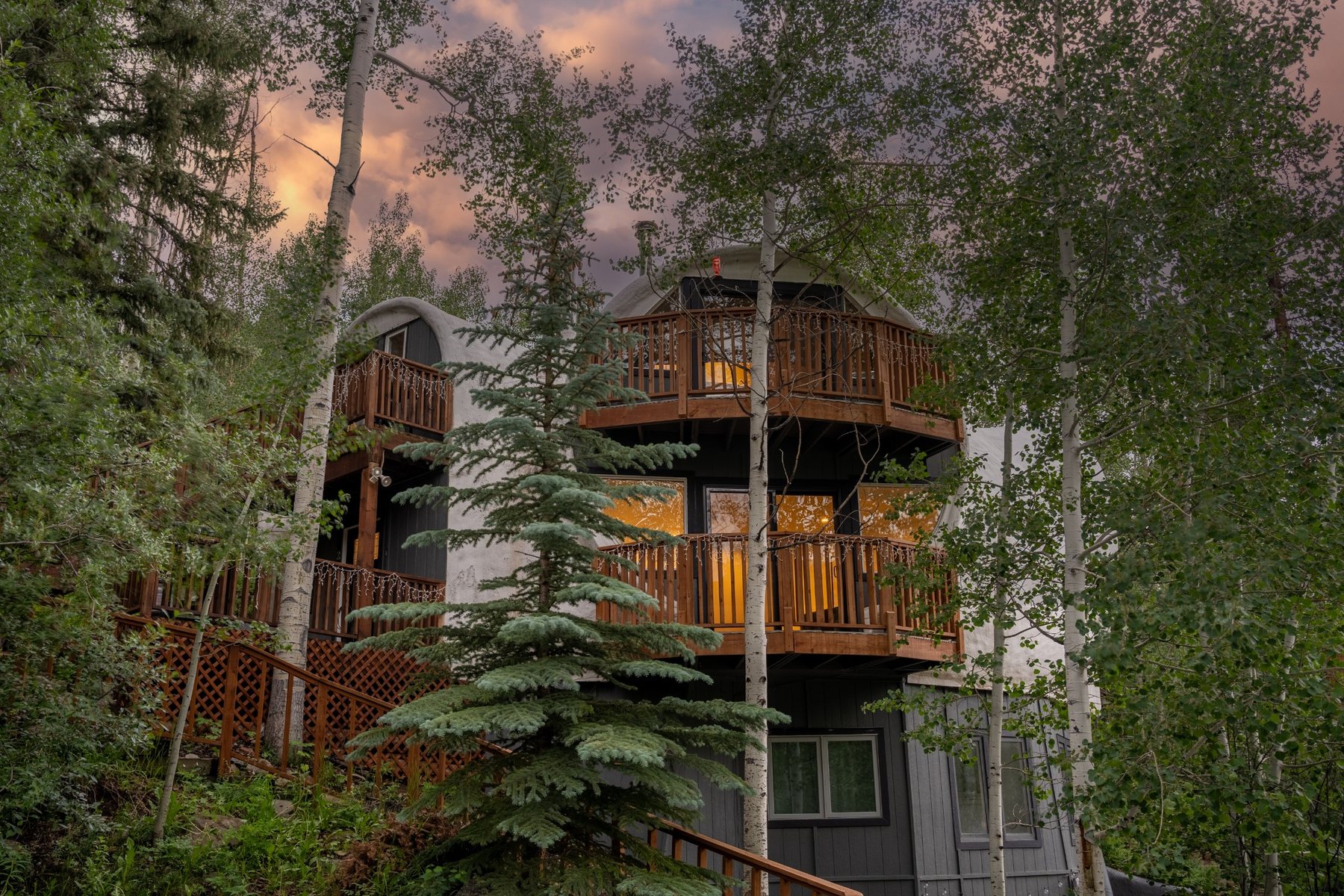
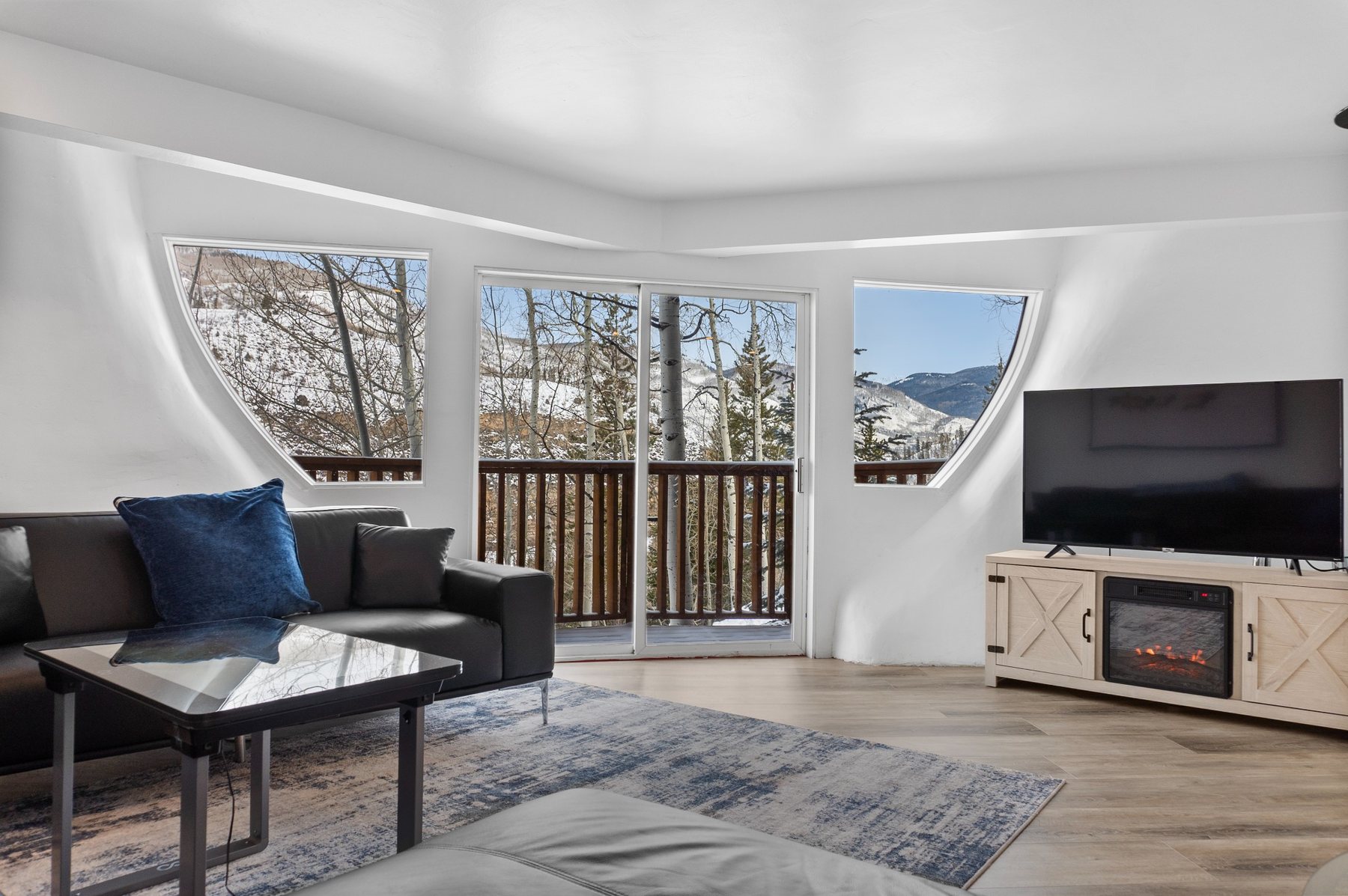
Our setup is designed for that rhythm. The Iconic Vail Dome is two separate units in one building in West Vail, and you can book either one or the entire property for groups of up to 18. There is one shared hot tub for the building, which makes a swimsuit one of the best things to pack. Each unit includes one complimentary parking pass for the Vail Village and Lionshead parking structures, and Entire Dome bookings include two, so getting to the lifts and village does not mean a pile of extra gear and logistics.
Our advice to every guest: pack thin layers, pack warm waterproof boots, and put sun protection at the top of the list. The rest you can sort out once you arrive.
The Iconic Vail Dome team
Dressing the whole group: families, kids and pets
Groups have more variables than a couple does, so a few extra points help.
- Kids lose heat faster than they realize they are cold, and they sweat quickly when they play. Use the same system, scaled down: wicking base, fleece, waterproof shell. Pack extra mittens and socks, because wet ones end a day quickly.
- Teens and adults who run warm should lean toward shells and keep their mid-layers thin.
- Anyone who does not ski still needs real winter footwear and outerwear for walking the village, riding the bus and standing outside at events.
- Dogs need a plan too. If you are bringing a pet, our pet-friendly Vail rental page covers the details. Pack booties or a coat for short-haired dogs and a towel for snowy paws.
When you are traveling with a large group, it helps to agree on a shared packing list in advance. Everyone then arrives with the same baseline, and you can spend the first evening settling in rather than shopping.
Where to stay so you can pack lighter
Staying somewhere with room to spread out is one of the easiest ways to make winter dressing less stressful. Wet gear needs somewhere to dry, boots need floor space, and a group of ten people with ten sets of layers can fill a small condo fast.

The Iconic Vail Dome has two private units in West Vail. Unit 2 is a four-bedroom home with a private deck, and Unit 3 has three bedrooms and its own deck. The two are separate living spaces within one building. For larger parties, The Entire Dome books the whole property for up to 18 guests. If you are planning for friends or family, our large group rental page explains how that works. Rates are not published on the site pages, so check the unit page for your dates.
Planning a ski vacation and want something distinctive? Browse the dome-style lodging and book directly with us.

If you want a souvenir that works in the weather, our shop carries branded apparel and gifts in THE ID VAIL COLLECTION.
Common packing mistakes to avoid
- Wearing cotton on the mountain. It holds moisture and chills you once you stop moving.
- Packing thick socks for ski boots. Thin wool works better for warmth and circulation.
- Relying on a single bulky sweater. Several thin layers adjust better, and bulk makes movement harder.
- Bringing a different pair of shoes for every occasion. A warm walking boot and one comfortable pair cover most days.
- Forgetting sun protection in winter. At altitude, snow reflects UV and exposure builds quickly.
- Leaving ski boots on for dinner. Restaurants may not allow them, and your feet will thank you.
FAQ
Do I need to dress up for dinner in Vail?
No. The prevailing style is mountain casual, and many restaurants are resort casual. A nice sweater, jeans or casual pants and warm boots are fine. Some diners dress up more, so pack one nicer top if you like, but ski boots should come off before you sit down.
Do I need heels or dresses for nightlife?
You do not. Casual clothes are accepted nearly everywhere in the village, and the snowy sidewalks make heels impractical. If you want a dressier look, build it from a good sweater, dark pants and waterproof boots.
Can I rent ski gear instead of packing it?
Yes. Vail has equipment rental shops for skis, snowboards and boots, and helmets are also available to rent. You will still want your own base layers, socks, gloves and outerwear, since those are personal and need to fit well.
Do I really need sunscreen in winter?
Yes. Vail Health’s Dr. Alex Menter notes that UV at 9,000 feet can be nearly twice as intense as at sea level, and snow reflects much of it. He recommends broad-spectrum SPF 30 or higher, reapplied every two hours, along with UV-blocking sunglasses and a wide-brim hat.
What is the one item people forget?
Usually warm, waterproof boots for town. Visitors plan for ski boots, then find that sidewalks and bus stops need their own footwear. A swimsuit for the hot tub is a close second if your lodging has one.
Sources
- Learn What to Wear Skiing & Snowboarding in CO, Discover Vail
- What to Wear in Vail for Every Season, Discover Vail
- 7 Ski Gear Winter Trip Packing Mistakes to Avoid, Travel + Leisure
- Closer to the Sun: The Science Behind High-Altitude UV Exposure, Vail Health
- FAQs, Taste of Vail
- The Remedy Restaurant, OpenTable